Article: What Clothes to Wear on a Jungle Safari
What Clothes to Wear on a Jungle Safari
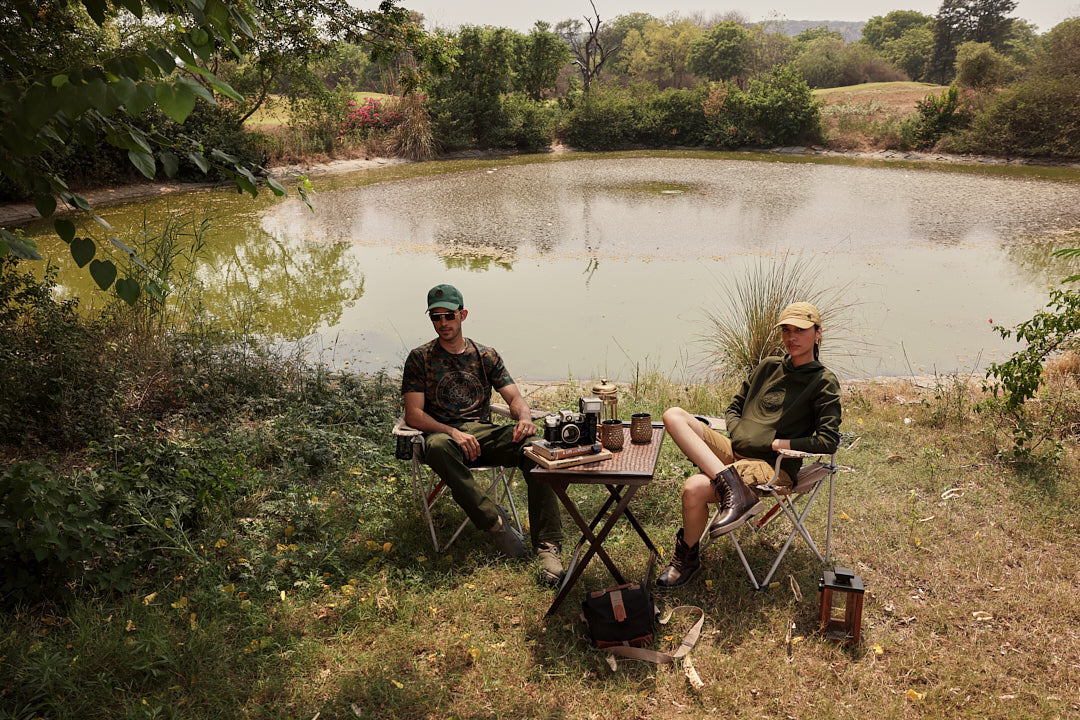
Most people don’t get safari clothing right the first time. Not because they haven’t tried, but because they’re thinking about how it looks before thinking about how it actually feels to sit through a full drive.
A safari sounds calm when you describe it. In reality, it’s long, exposed, and constantly shifting. You leave before sunrise when it’s cold enough to make you second-guess not carrying another layer. In parts of central India, the temperature can be around 8 to 10 degrees Celsius in the early morning. A couple of hours in, the sun is up, the light is harsh, and you’re already feeling the heat build. By late morning, it’s easily 30 to 35 degrees Celsius, sometimes more. In winter, the contrast is even sharper. Early mornings in parks like Ranthambore or Kanha can drop to 4 to 6 degrees Celsius, and while it warms up through the day, the cold tends to stay with you longer, especially during early drives.
And all of this happens while you’re sitting in an open vehicle, not moving much, with dust coming in constantly. The clothes for jungle safari that actually work are the ones built with all of this in mind at once.
Once you’ve done a few safaris like this, you stop thinking about clothing in terms of style and start thinking about what actually holds up across that kind of day. That’s really where the idea of a proper jungle safari outfit begins.
The Reality Most Packing Lists Don’t Tell You:
There are two things that define safari conditions more than anything else.
The first is how quickly the temperature changes. It’s not gradual. You go from needing a layer to actively wanting to take it off within a short span of time. There isn’t really a “comfortable middle” for long.
In winter safaris, this becomes more pronounced. You’re often dealing with biting cold at the start of the drive, especially with wind in an open jeep, and even as the temperature rises, it rarely feels fully warm until much later in the day.
The second is dust. Fine, dry, and everywhere. After an hour on a forest track, it’s on your hands, your camera, your clothes. You don’t avoid it, you just learn to wear things that don’t make it a problem.
And then there’s just the duration. You’re out for hours. Morning drives, afternoon drives, sometimes both. What you wear has to stay comfortable without you constantly adjusting it.
That’s really the baseline. If something works here, it works anywhere when it comes to clothes for jungle safari.
What Actually Works when choosing clothes for a jungle safari:
Shirts matter more than people expect in a jungle safari outfit:
You feel your shirt the most, especially once the heat sets in. If the fabric doesn’t breathe well, you notice it quickly.
Natural fabrics make a difference when it comes to clothes for a jungle safari. Cotton lets air move. It doesn’t trap heat the way synthetics tend to, especially when you’re sitting in direct sun.
On warmer drives, we tend to reach for the Panthera Air Ventilated Safari Shirt. Not because of how it looks, but because of how it handles heat. The ventilation is placed where it actually helps when you’ve been sitting in the same position for hours. It’s one of those things you don’t think about until you need it.
For slightly cooler conditions, or early mornings when you want a bit more substance, the Panthera Core Safari Shirt works well. It feels more structured without getting heavy, and it holds up across the day without feeling worn out by the end of it.
Colours stay in the neutral range for a reason when choosing clothes for jungle safari. Khakis, olives, earthy tones. They don’t show dust the way lighter colours do, and they don’t stand out unnecessarily in a wildlife setting.
These are small decisions, but they make a big difference when you’re putting together a jungle safari outfit that you’ll wear for hours.
Cargo pants do more work than you realise:
This is one area where most people compromise without realising it when choosing clothes for jungle safari.
A lot of cargo pants look fine until you actually spend a full day in them. Either they’re too light and don’t hold up, or the pockets are more for appearance than use.
In the field, you end up carrying small things constantly. Phone, lens cloth, maybe something to eat, sometimes gloves in the morning. You don’t want to be digging around for these every time.
The Explorer Utility Cargo Pants are built around that kind of use. The pockets are placed where they’re easy to access without shifting around too much. The fabric has enough structure to last, but it doesn’t feel stiff or heavy when it gets hot.
You notice it more towards the end of a long drive. When you’re still comfortable and not adjusting constantly, that’s when you know something is working.
The one piece people forget in a jungle safari outfit:
And then wish they hadn’t.
Layering is important, but only if the layer is something you’ll actually carry once it gets warm. Heavy jackets usually end up left behind or just sitting in the jeep unused.
A lightweight overshirt makes more sense. Something you can wear early morning, take off easily, and keep with you without it becoming a hassle.
The Panthera Shade Safari Overshirt fits into that space. It cuts the wind when you’re moving through the forest early in the day, which feels colder than the actual temperature suggests. At around 8 degrees Celsius with wind hitting you in an open vehicle, it feels sharper than expected.
Once the day warms up, it folds down small enough to sit beside you without getting in the way. That part matters more than people think.
In peak winter, when temperatures are closer to 4 or 5 degrees Celsius, this layer becomes essential rather than optional, especially during the first half of the drive.
What Not to Wear when choosing clothes for jungle safari:
Jeans are the easiest example. They seem like a safe option, but they don’t work well here. They hold heat, restrict movement, and once they pick up dust, they stay that way for the rest of the day.
Synthetic fabrics are another one. They’re often marketed as travel-friendly, but on a safari, they trap heat in a way that becomes uncomfortable over time. Especially when temperatures are pushing past 30 degrees Celsius.
Bright colours don’t help either. White picks up dust almost immediately. Reds, blues, anything too saturated, they stand out more than they need to. Neutral tones just make things easier.
And anything too fitted tends to get uncomfortable. You’re constantly adjusting your position in a vehicle, sometimes climbing in and out. You want a bit of room to move without thinking about it.
Putting It Together:
A typical morning drive in central India might start layered, especially when you’re building a practical jungle safari outfit. Overshirt on, Core shirt underneath, cargo pants. The first hour or two, you’re glad you have that extra layer.
As the sun comes up and the temperature moves past 20 degrees Celsius and keeps climbing, the overshirt comes off. It stays beside you for later. By the time you’re heading into late morning, somewhere around 30 to 35 degrees Celsius, a lighter shirt like the Panthera Air makes more sense.
And then towards evening, you’re layering again.
In winter, this layering becomes less flexible. You’ll likely stay layered for longer, sometimes through most of the morning drive, only adjusting slightly as the sun comes up.
It’s not complicated once you’ve done it a few times and understand what works in clothes for jungle safari.
That’s really where we built The Safari Stitch from, not around how safari clothing should look, but around how it actually needs to perform when you’re out there for hours.
Frequently Asked Questions:
-
What clothes are best for a jungle safari?
Lightweight cotton shirts, well-constructed cargo pants, and a breathable layering piece. The focus should be on comfort across long hours and changing temperatures.
-
Can you wear jeans on a safari?
You can, but you probably won’t enjoy it. They get uncomfortable quickly, especially once it gets warm.
-
What colours should you avoid on safari?
Bright and loud colours. They either show dust immediately or stand out too much in the environment. Neutral tones work best.
-
What fabric is best for safari clothing?
Cotton and natural fabrics. They handle heat better and stay comfortable for longer periods.
-
How do you layer for changing safari temperatures?
When planning clothes for jungle safari, start with a breathable base, add a light overshirt for early mornings, and remove it as the temperature rises. Keep it with you for later in the day when it cools down again.